
Architecture Overview
The MaaSAI reference architecture provides an integrated and modular view of the Manufacturing-as-a-Service ecosystem. In D5.1, the architecture is positioned as a common baseline that connects business needs, stakeholder concerns, functional decomposition, and implementation choices.
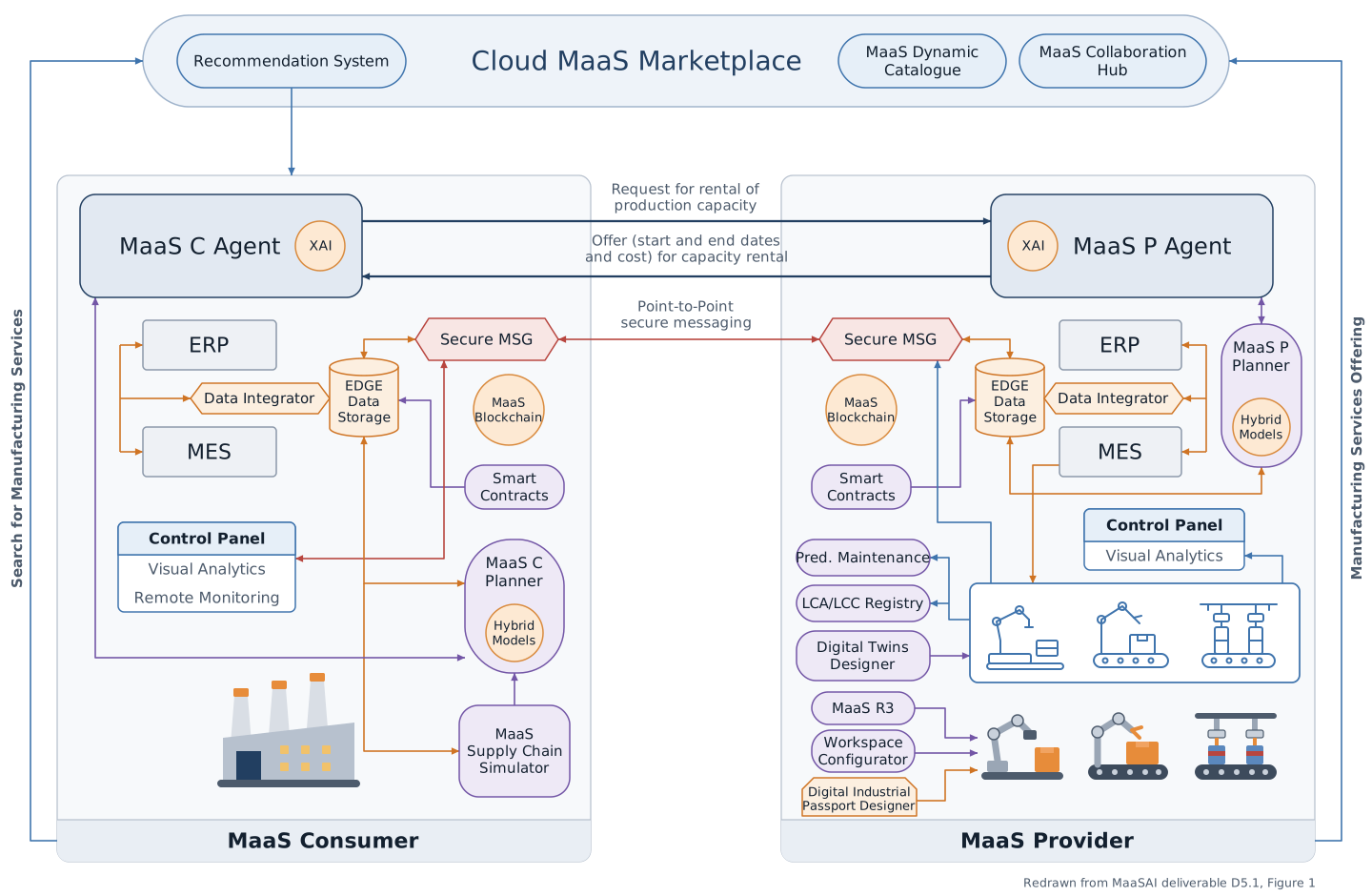
Conceptual architecture redrawn from MaaSAI deliverable D5.1.
Foundations
Section titled “Foundations”The design work aligns MaaSAI with ISO/IEC/IEEE 42010 and draws on several manufacturing-oriented reference architectures and standards, especially:
- IIRA, as a high-level architectural frame for industrial stakeholder concerns and system structure.
- RAMI 4.0, as a reference for layers, hierarchy, and industrial interoperability.
- IDS-RA, to shape secure, trustworthy, and governed data exchange.
- OpenFog and digital-twin-oriented experience, to support edge, fog, and cloud coordination.
Core Functional Domains
Section titled “Core Functional Domains”According to D5.1, the simplified MaaSAI functional architecture distinguishes four major cross-solution domains that operate across cloud, fog, and edge layers:
- Application domain: hosts planning, simulation, digital twin, lifecycle, and maintenance capabilities.
- Security domain: anchors trust with blockchain, smart contracts, and secure messaging.
- Information domain: harmonises ERP, MES, IoT, and edge data so solutions can consume consistent information.
- Control domain: coordinates, monitors, and optimises interactions between providers and consumers.
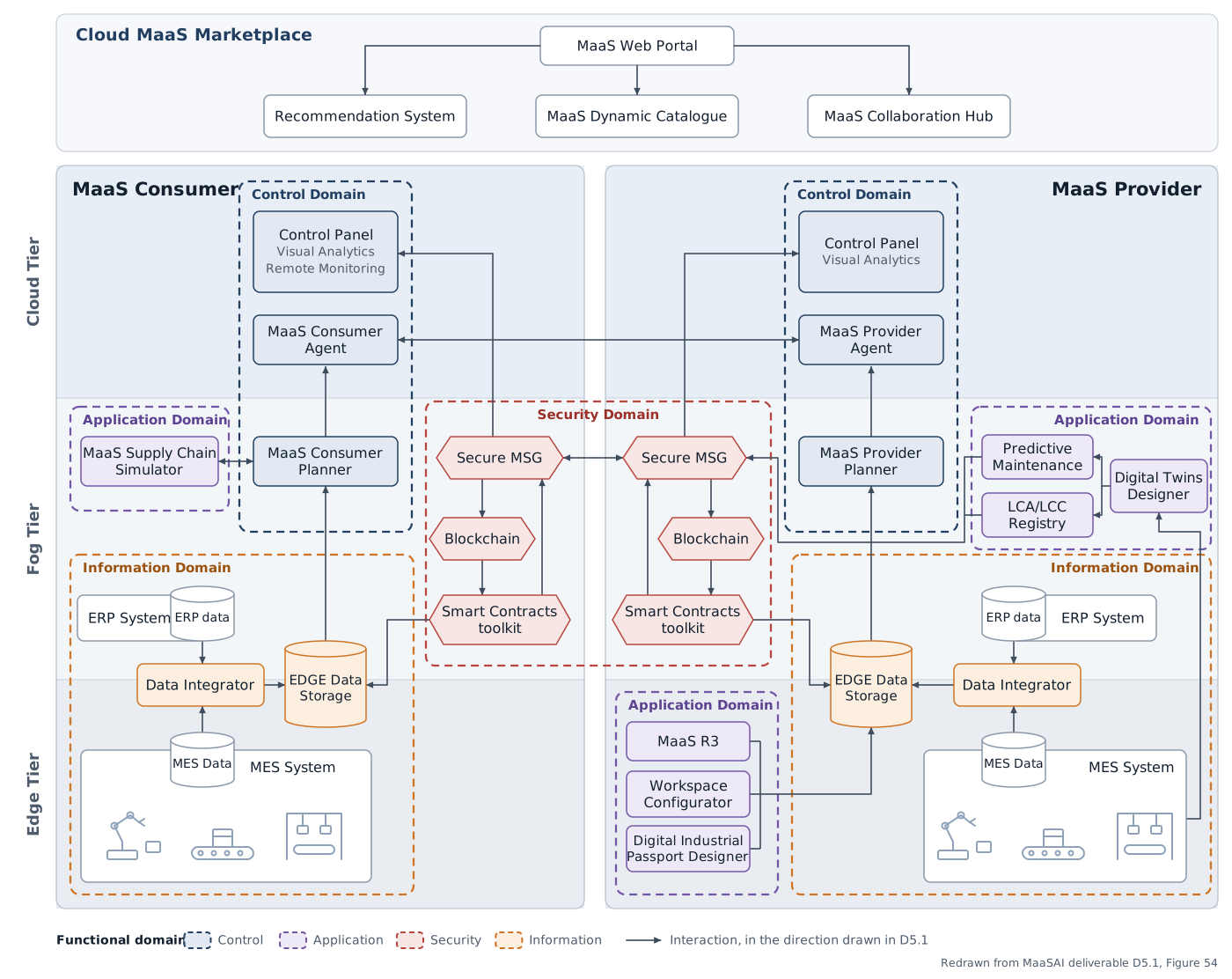
Reference architecture view redrawn from MaaSAI deliverable D5.1, Figure 54. Select the diagram to open it at full size.
Technology Layers
Section titled “Technology Layers”MaaSAI is intentionally distributed across multiple layers instead of relying on a single deployment model.
- Cloud hosts marketplace-facing services, coordination logic, and components that need shared visibility across organisations.
- Fog / edge host data collection, local storage, simulation, and execution-adjacent services closer to the shop floor.
- Cross-layer security and interoperability ensure that data and decisions can move safely between local environments and cloud services.
Why This Matters
Section titled “Why This Matters”The reference architecture is not just a static diagram. It gives MaaSAI a way to:
- map stakeholder needs to concrete technical solutions,
- keep responsibilities separated without breaking interoperability,
- scale by adding new services without redesigning the whole platform,
- and preserve traceability from business concerns down to implementation choices.